
Cirrhosis Diagnosis and treatment

Alcoholic neuropathy is a medical condition resulting from damage to the peripheral nerves due to excessive alcohol drinking. Children born with this syndrome experience the symptoms throughout their entire lives. Some symptoms can be managed with treatment by a healthcare provider, but they won’t go away. In some cases, your healthcare provider might be able to diagnose a child with fetal alcohol syndrome at birth based on small size and specific physical appearance. However, diagnosis of fetal alcohol spectrum disorders can be difficult.
How is alcoholic hepatitis diagnosed?
The National Institute on Alcohol Abuse and Alcoholism (NIAAA) has prepared this booklet to help individuals and families answer these and other common questions about alcohol problems. The following information explains both alcoholism and alcohol abuse, the symptoms of each, when and where to seek help, treatment choices and additional helpful resources. Outpatient detox is provided through day clinics attended by recovering alcoholics for can alcoholism be cured the purposes of managing symptoms and prescribing medications.
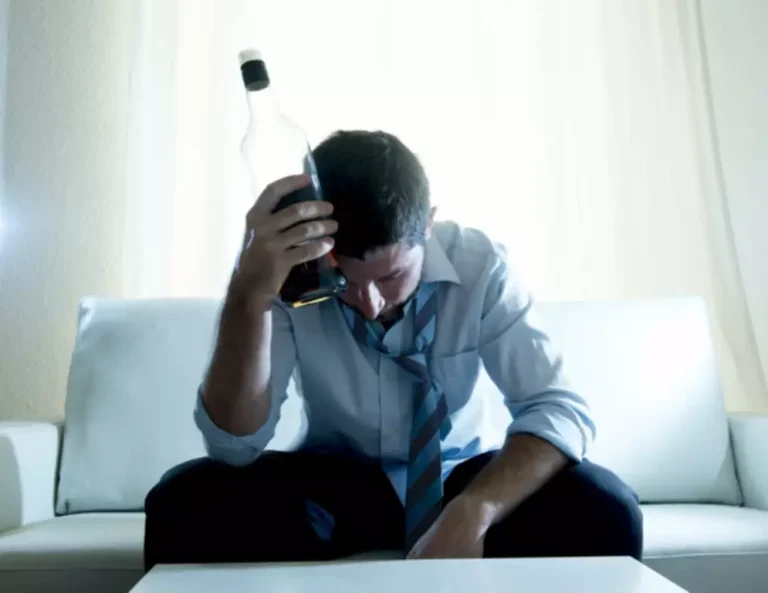
Warning Signs And Symptoms Of Alcoholism
Recovery meetings are an effective tool to remain sober and focused on healing and are utilized in many inpatient and outpatient settings, as well as after official treatment has concluded. In these meetings, you’ll meet other individuals who are also recovering from AUD, share experiences, and provide support to help each other remain sober. These meetings can come in many forms, the most well-known one being the 12-step program offered by Alcoholics Anonymous (AA).

Physical Therapy

As you can see from the descriptions of the three medications listed here, there is no cure for alcoholism. This is an important distinction in that remaining free from alcohol dependence requires permanent abstinence. Recovery is facilitated through medical treatment, including prescription medications and rehab, but it is ultimately maintained by staying away from alcohol. Rehab programs typically last anywhere from 28 to 90 days, but many can last longer, depending on the individual and the program in place. Overall, including the detox process, the alcohol rehab total time usually lasts anywhere from one to three months, though the ultimate length depends on the individual. We’ve met several clients who initially worried about how long the process would take but are successful in their treatment and proud of their effort.
Can You Ever Recover From Being an Alcoholic?
- If you’ve already consumed alcohol during pregnancy, it’s never too late to stop.
- Chronic alcohol abuse also leads to poor nutrition, exacerbating nerve damage.
- Candidates for liver transplant have extensive testing to determine whether they are healthy enough to have a good outcome following surgery.
- It can sometimes be difficult to diagnose a person with FASD because of the variety of symptoms and spectrum of severity.
Many people wonder why some individuals can use alcohol without problems but others cannot. Scientists have found that having an alcoholic family member makes it more likely that if you choose to drink you too may develop alcoholism. In fact, scientists now believe that certain factors in a person’s environment influence whether a person with a genetic risk for alcoholism ever develops the disease. Partial hospitalization programs (PHPs) are outpatient programs that function much like inpatient programs but without the residential requirement. Clients in these programs participate in recovery-related programming during the day, including counseling, therapy, and even medication assistance, but may return home in the evenings.

Does Alcohol Affect Older People Differently?
Once accurately labeled a disease, the next point to consider is the evidence of a cure. Recovering alcoholics joke that it is the disease that tries to convince you that you do not have it. A cure for alcoholism may never come in pill form or be a shot you can take every morning.
- In her role, she oversees the clinical department as a leader, educator and mentor, designing programming and protocols for a diverse client population.
- Not unsurprisingly, the complexities of alcohol addiction mean that treatment requires a multifaceted approach.
- It is primarily a central nervous system depressant and muscle relaxant that works very well for people suffering from spinal cord injuries, cerebral palsy, multiple sclerosis, and certain other diseases.
- You, nor your loved one, are under any obligation to commit to a Treatment X treatment program when calling the helpline.
For one thing, there isn\’t really Sober living home a pill to stop the cunning and baffling urges that an alcoholic experiences. Further adding to the perplexity of the disease is the idea that one drink is too many, but never enough. By accepting the notion that alcoholism truly is a disease, this opens up the possibility of a cure. However, the cure for alcoholism seems to be different from many illnesses properly labeled diseases.
Some people develop alcoholism because of pressure from their peers who are heavy drinkers too. The short answer to the question of whether alcoholism is a disease and if it can be cured is that while it is most certainly a disease, there is no known cure for it. We understand that you are affected by your loved one’s condition. We encourage you to seek out counselling that will help you cope with the situation you find yourself in. It is also important to note that using medications without modifying drinking behaviour can create a more serious problem. A doctor’s prescription will be accompanied by advice directing you to seek counselling and/or support group participation.
Keep on https://ecosoberhouse.com/ trying until treatment eventually pays off in a complete and full recovery. It goes hand-in-hand with both prescription medications and detox. It is necessary in order to help you understand why you drink, the kinds of things that trigger alcoholic behaviour, and how to avoid future relapse. However, it can also be used to encourage abstinence in individuals struggling with alcohol. Disulfiram works by creating an unpleasant physical reaction to alcohol consumption.
If you’re struggling with alcohol use disorder, you can be successful with treatment. In most cases, detoxification, or “detox,” is the first step taken when beginning the path toward recovery. During this process, participants will stop alcohol consumption entirely and allow the body to rid itself of it in the system. During the detox process, it is common to experience withdrawal symptoms. To increase the chances of success, medical supervision is established to ensure each client remains safe and healthy throughout the process.