
Accrued Liabilities What Are They, Examples, Journal Entry

Missing these types of accruals won’t just skew your books—it could misinform your runway, investor updates, or tax liabilities. With Accounting Seed, you can leverage financial dashboards and reports to assess expenses, track customer engagements, and make important decisions related to how money is being allocated with ease. At FinOptimal, we recognize the importance of such foundational accounting principles.
- A manufacturer must disclose in its financial statements the amount of finished goods, work-in-process, and raw materials.
- As the event isn’t recurring, it is considered an infrequent/non-routine accrued liability.
- If the revenues come from a secondary activity, they are considered to be nonoperating revenues.
- Accrued expenses are an important part of these categories of business expenses.
- For many successful corporations, the largest amount in the stockholders’ equity section of the balance sheet is retained earnings.
Accounts Payable
- Companies may also issue commercial paper (CP), a short-term, unsecured promissory note that’s used to raise funds.
- Why might consistently high accrued expenses be a concern for a business?
- This means that once the financial year has ended for the company, the company must record all the expenses relevant for the current year.
- The terms which indicate when payment is due for sales made on account (or credit).
Other types of liabilities that may be accrued include salaries and wages, taxes, and bonuses. Accrued liabilities represent expenses that have been incurred but not yet paid. Accruals are also used to account for accrued interest and other liabilities.
How Are Accrued Expenses Accounted for?
The goal is to clear the slate of specific accruals from the previous period, making it easier to record regular transactions. This ensures that the financial reporting is accurate for the new accounting period. This entry increases the Wages Expense account, reflecting the cost incurred in December. It also increases the Accrued Wages Payable account, a liability account, showing the obligation to pay employees in the future.
Accrued Expenses vs. Deferred Revenue
- Accrued expenses are also called accrued liabilities because they become a debt you owe, based on receiving a product, service, or operational expense.
- Materiality is a crucial concept in accounting, especially when dealing with accruals.
- By doing so, it offers a clearer picture of a business’s operational performance over time.
- Understanding accrued expenses is crucial for maintaining accurate financial records and presenting a true picture of a company’s financial position.
Therefore, the accrual method of accounting is more commonly used, especially by public companies. International Financial Reporting Standards (IFRS) and Generally Accepted Accounting Principles (GAAP) both require companies to implement the accrual method. https://www.bookstime.com/articles/accrued-expenses HighRadius stands out as an IDC MarketScape Leader for AR Automation Software, serving both large and midsized businesses. The IDC report highlights HighRadius’ integration of machine learning across its AR products, enhancing payment matching, credit management, and cash forecasting capabilities.

Although it is easier to use the cash method of accounting, the accrual method can reveal a company’s financial health more accurately. It allows companies to record their sales and credit purchases in the same reporting period when the transactions occur. Companies using the accrual method of accounting recognize accrued expenses, costs that have not yet been paid for but have already been incurred. Accrued expenses make a set of financial statements more consistent by recording charges in specific periods, though it takes more resources to perform this type of accounting. Understanding the impact of accrued expenses on financial statements allows businesses to present a more accurate financial picture. A thorough approach to expense recognition is essential for maintaining the integrity of financial reporting and supporting long-term business success.
Accrued Expenses and Accurate Financial Reporting
For example, a company owes $2,500 in interest on a short-term loan, payable in the next month. Accrued expenses are recorded as liabilities on the balance sheet and as expenses on the income statement. Common examples of accrued expenses include wages or salaries owed to employees, interest on outstanding loans, and utilities expenses. These limitations highlight the importance of careful estimation, diligent tracking, and ethical management when it comes to dealing with accrued expenses. They also underscore the need for users of financial statements to understand the potential pitfalls and to interpret reported figures with caution.

Though it requires more work to do accrual accounting, recording accrued expenses generally makes financial statements more accurate. An example of an accrued expense is when a company purchases supplies from a vendor and has not yet received an invoice or paid for the purchase. Other examples include employee wages, commissions, and bonuses, also known as accrued compensation. These fixed assets costs accrue in the period they occur even though the actual payment is made in the following period. Interest on a small business loan or taxes can also be considered accrued expenses.
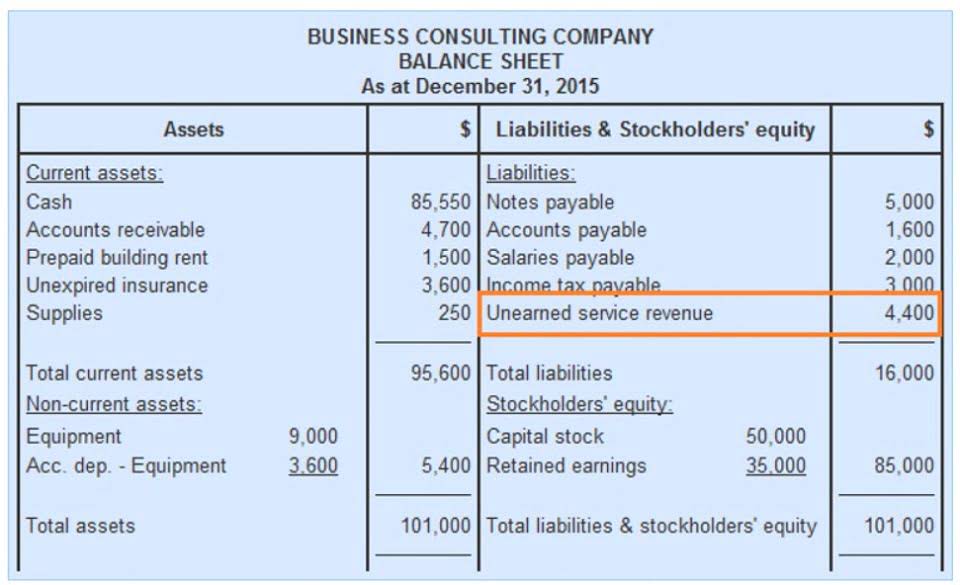
4.4.1 Presentation and disclosure – exit or disposal obligations
By understanding and accurately recording these expenses, companies ensure they are providing a fair and accurate picture of their financial health. In accrual real estate cash flow accounting, expenses are recognized when they are incurred, not when the cash is paid. The accrual method allows businesses to match expenses to the revenues they help generate and create a more realistic picture of financial health.